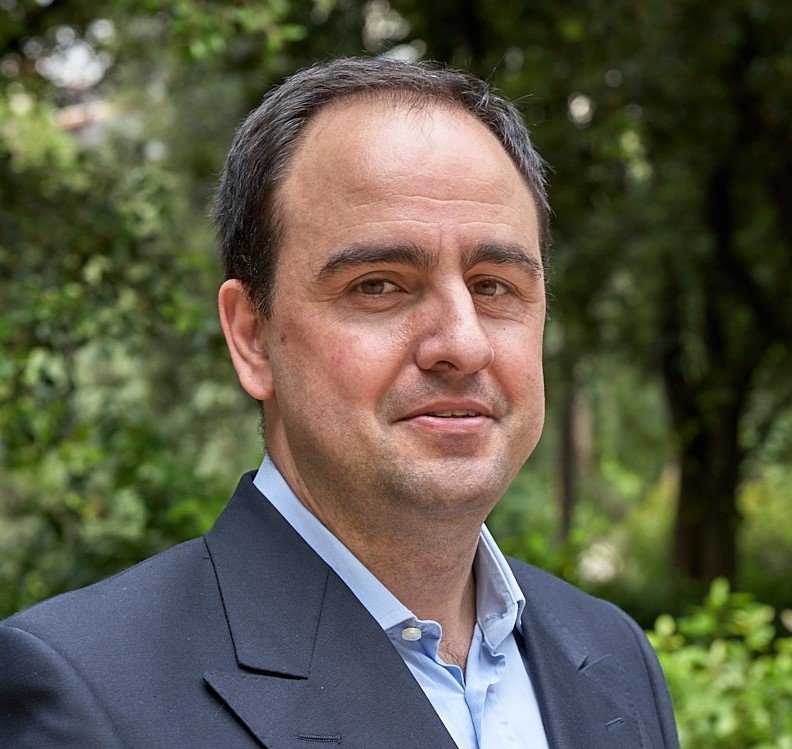
By Juan Pablo Torrents-Faura, Spanish PR & Journalist
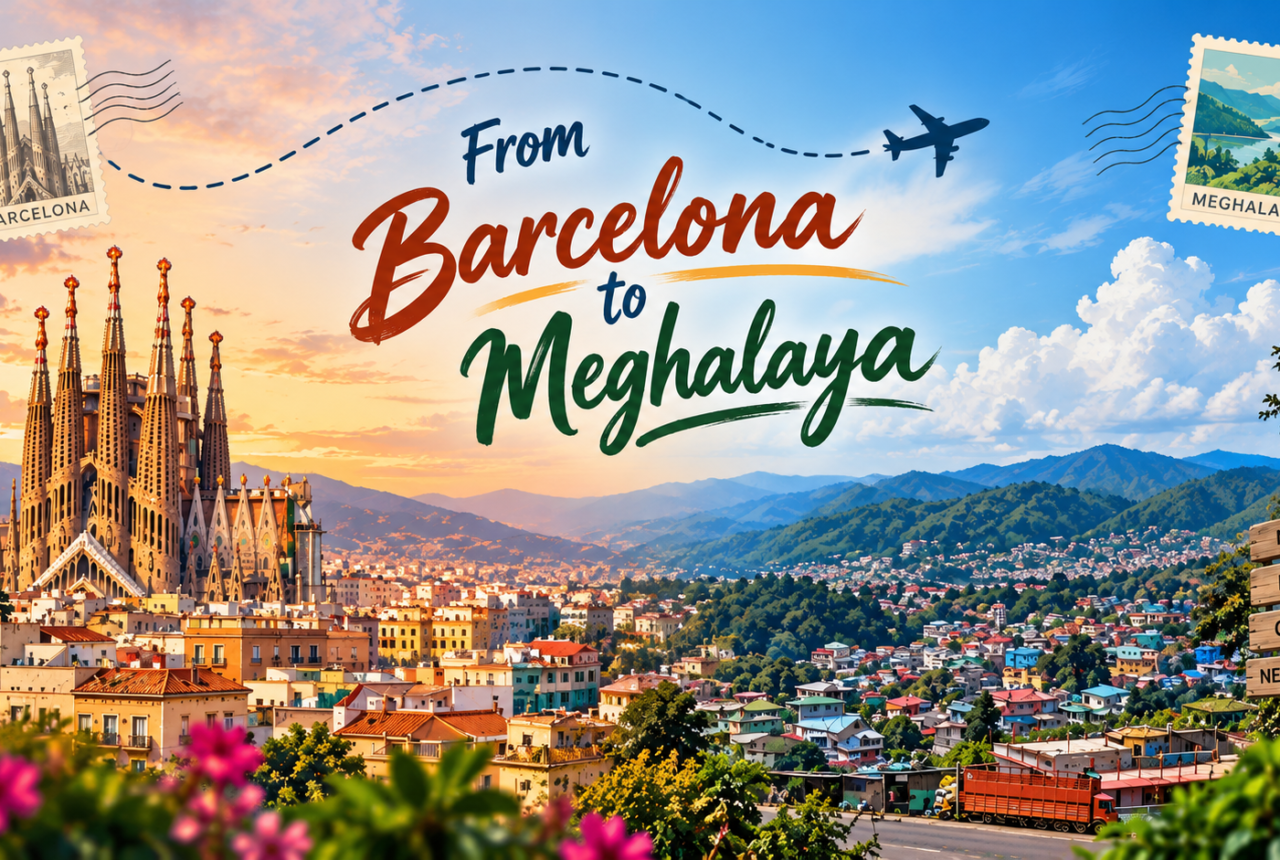
Contemporary international relations are increasingly built through public diplomacy and direct regional ties. In this ecosystem of global connectivity, my career as a communication consultant, journalist, and professor from Barcelona has allowed me to develop an atypical and highly effective bidirectional bridge between Spain and the Indian state of Meghalaya. What began for me as an immersive journalistic and human experience on the ground has evolved in recent years into a solid alliance of institutional diplomacy, corporate consulting, and strategic urban analysis.
My bond with the region initially developed through cultural chronicling. I am one of the very few Spanish journalists to introduce the uniqueness of Northeast India to my country. In my writings for Spanish media, I have highlighted Meghalaya’s three ancestral ethnic groups—the Khasi, the Jaintia, and the Garo—describing Shillong not only for its stunning geography but as a multicultural capital with a deep-rooted Christian heritage. During my stays there—most notably during my last visit this past August—I discovered a spontaneous connection to my own roots: walking through the streets of Shillong and seeing young people proudly wearing FC Barcelona, Real Madrid, or Spanish national football team jerseys. This massive fandom and admiration for Spanish football proved to me that, even before economic agreements take shape, a genuine cultural sympathy already existed, shortening the thousands of miles between us.
I strongly advocate that Meghalaya must become better known in Spain. Despite its enormous potential as a sustainable tourism destination, a cultural jewel, and a rising educational hub, the state remains largely undiscovered by the Spanish public. Promoting its rich cultural landscape, environmental uniqueness, and economic growth in Spain is essential to unlocking mutual opportunities in areas such as education, trade, and ecological tourism.
This deep understanding of the ground paved the way for a natural leap into institutional diplomacy. Last year, I had the opportunity to interview Shri Inbasekar, the first leader of the new Consulate General of India in Barcelona—formally established in mid-2024—for the prestigious specialized Spanish magazine “Diplomacia.” During this strategic meeting, we explicitly highlighted that the Indian diaspora in Catalonia includes a notable presence of citizens from northeastern states like Meghalaya. The conversation served to map out the real challenges these citizens face regarding language learning and barriers to accessing the rental market in Spain.
The definitive maturation of this transcontinental bridge was consolidated this past August with an analytical piece titled “New Shillong: Northeast India’s Ambitious New Urban and Knowledge Hub.”
My experience proves that mutual understanding between Spain and India no longer depends exclusively on the agendas set in Madrid and New Delhi. By aligning media dissemination, urban analysis in the Northeast, and business support in the Mediterranean, this bridge demonstrates that subnational cooperation and strategic consulting are the most powerful tools for building a truly connected and symmetrical globalization.
(The writer is a professor, journalist and PR consultant from Barcelona, Spain. He currently advises Indian companies and students interested in pursuing education or business opportunities in Barcelona.)